


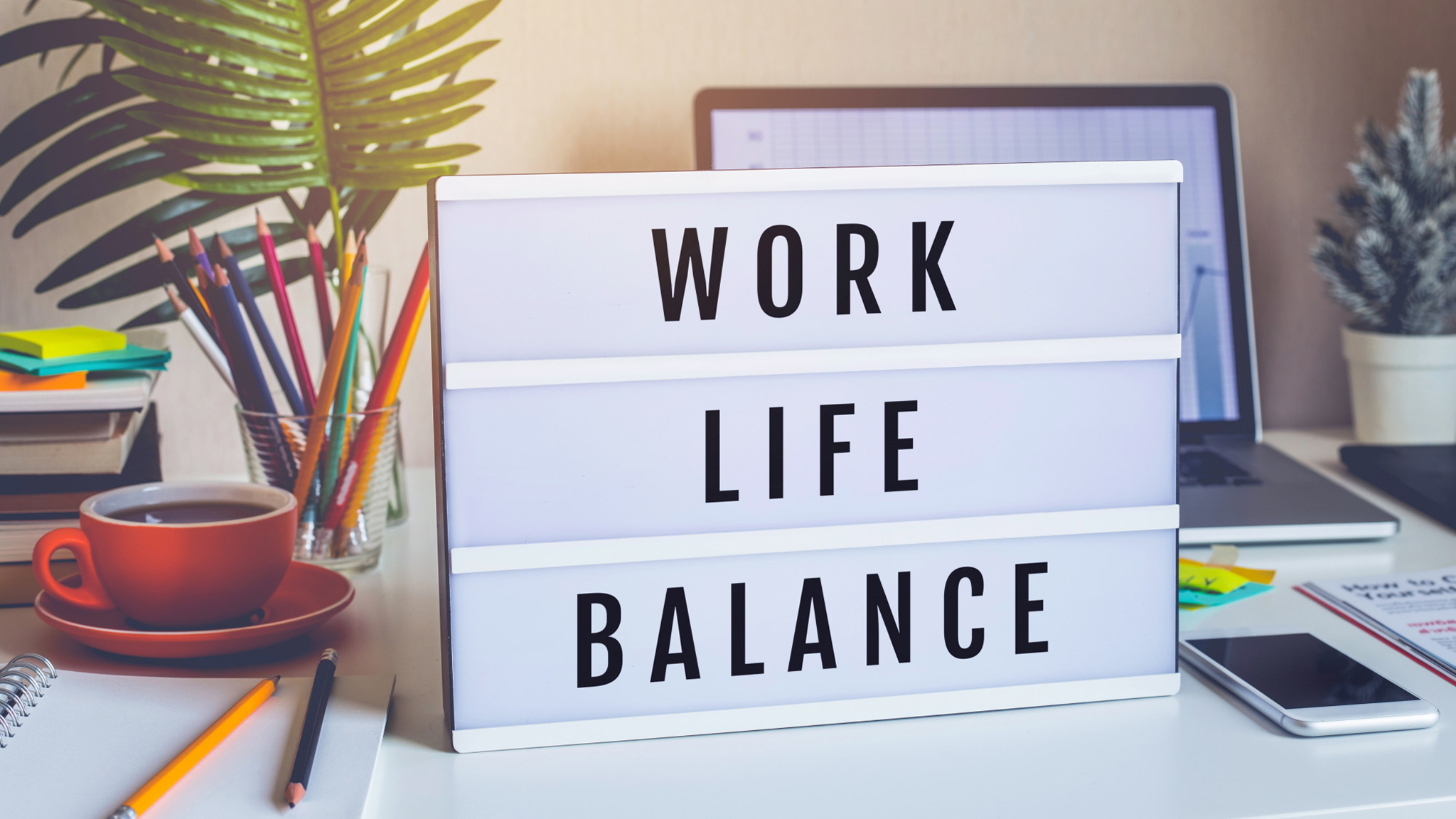
There’s been a lot of conversation lately around work-life balance — especially with all the buzz around the Right to Disconnect bill and the larger debate: Is a 40-hour workweek enough?
Some people draw hard boundaries between work and life. Others romanticize the hustle.
But here’s what often gets left out: Work-life balance isn’t one-size-fits-all. It evolves with you.
In Your 20s, Work Should Be Your Obsession — Here’s Why
When you’re just starting, fresh out of college, there’s immense value in letting work consume you.
That’s what happened with me. I started as a front-end developer, doing my 9 hours. But real growth happened after hours—when I’d reflect on my code, rethink better approaches, or plan what I’d build the next day.
It wasn’t a burden, it was fuel. Not pressure, but curiosity, adrenaline, and a deep desire to improve.
A year later, I left that job to start 42Works. The rhythm stayed the same, but the stakes were higher, and the drive even stronger.
I didn’t track hours; I tracked progress. Didn’t count meetings; I focused on solving problems.
What kept me going wasn’t external pressure, but the thrill of building something from scratch. Watching an idea come to life. Pushing limits, day after day.
My version of balance, then?
Go all in for 3 months. Take a 7–10 day break. Repeat. That kept me sharp, energized, and in love with the process.
Balance Isn’t Static — It Changes With Life
As life evolves, so should your definition of balance.
In your early years, work can be your identity, your obsession, your proving ground.
But as you grow older, start a family, shift priorities – balance means something else.
At that stage, I’m all for logging off after 8 focused hours, disconnecting without guilt, and being fully present for the people who matter.
That’s the beauty of it: Balance doesn’t have to look the same at every stage of life.
It’s not about hours, it’s about awareness.
Here’s Where It Gets Complicated — Especially in India
We often compare ourselves to the West:
“They shut their laptops at 5.”
“They don’t check emails after hours.”
“They take vacations seriously.”
And yes, it’s admirable. But here’s the hard truth: They can do that because they make those 8 hours count.
Western teams often treat time with laser focus. Meetings are crisp. Timelines are sacred. Productivity is high.
In India, we’re still figuring that out. Meetings run late. Priorities shift. Work bleeds into evenings. Not because we want to overwork, but because things don’t get done on time.
So before we fight for shorter workdays, maybe we need to ask: Are we truly using our current hours well?
There’s No “Right Way”—Only the Right Timing
In the end, work-life balance isn’t a fixed formula. It’s a rhythm you build over time.
When you’re young and hungry – let work shape you.
When your life expands – let balance protect you.
And when you understand which season you’re in, you’ll make smarter choices about where your energy belongs.
Because in the end… It’s not time that creates balance — it’s timing.